

Describing
this
as
the
indie
Skyrim
sounds
reductionist
and
almost
disrespectful.
The
problem
is,
that’s
kind
of
exactly
what
The
Tainted
Grail:
The
Fall
of
Avalon
is,
so
describe
it
as
indie
Skyrim
I
shall,
and
with
great
enthusiasm!
So,
to
trim
down
a
long
review
and
save
you
some
time,
if
you’ve
been
craving
another
Skyrim
adventure
but
perhaps
with
a
slightly
darker
tone
(and
about
the
same
level
of
bugs)
then
look
no
further,
adventurer,
for
your
quest
ends
here.
For
the
rest
of
you
who
are
perhaps
worried
about
taking
an
arrow
to
the
knee,
read
on
and
see
if
Tainted
Grail
and
its
dark
version
of
Arthurian
lore
is
for
you.
Available
On:
Xbox,
PlayStation,
PC
Reviewed
On:
PC
Developed
By:
Awaken
Realms
Published
By:
Awaken
RealmsReview
code
provided
by
the
publisher.
In
classic
Elder
Scrolls
fashion,
you
begin
the
game
locked
up
in
an
underground
jail
and
with
seemingly
no
memory
of
how
you
go
there,
raising
some
serious
questions
to
the
legitimacy
of
the
charges.
No
worries,
though,
because
it
takes
about
2
minutes
for
a
mysterious
figure
to
come
along
and
help
bust
you
of
the
prison
which
turns
out
to
be
run
by
a
bunch
of
crazy
priests
who
are
searching
for
the
cure
to
a
plague.
Jeez,
we
really
can’t
escape
Covid,
can
we.
Anyway,
it
turns
out
that
like
Harry
Potter
carting
a
horcrux
around
in
his
head,
you’ve
got
some
of
King
Arthur’s
soul
embedded
in
your
noggin
–
although
unlike
the
young
Master
Potter,
you
have
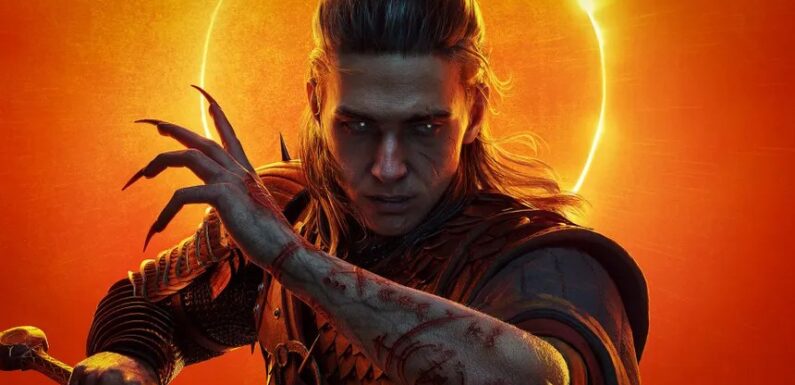
the
ability
to
become
an
actually
competent
wizard
in
this
game.

credit:
Questline
Of
course,
things
are
a
tad
complicated.
The
rescuer
isn’t
actually
keen
on
having
King
Arthur
back,
vaguely
hinting
that
it
isn’t
the
first
time
that
the
legendary
king
has
returned.
Killing
you
doesn’t
get
rid
of
it,
though,
so
for
now
you’ll
go
along
with
the
King’s
plans
to
collect
the
remnants
of
his
soul
so
he
can
come
back
to
the
land
of
the
living
and
fix
the
kingdom
he
worked
so
hard
to
create,
because
Avalon
(Britain,
really)
has
gone
down
the
shitter.
Are
we
sure
this
isn’t
just
a
documentary?
Tonally,
Tainted
Grail
likes
to
hop
between
a
dark,
murky
fantasy
world
where
most
of
the
decisions
and
characters
exist
within
a
moral
grey
area,
and
Monty
Python
and
the
Holy
Grail.
In
fact,
the
game
even
references
the
classic
movie
quite
a
few
times.
While
the
main
questline
deals
in
bleakness,
ancient
gods,
giants
and
long-dead
Kings
who
may
nor
may
not
be
the
right
choice
for
fixing
Kamelot
and
its
relationship
with
the
various
clans,
many
of
the
side-quests
venture
into
the
weird,
wonderful
and
wacky,
such
as
an
undead
chef
who
really
likes
sour
herring
and
cheese.
Even
writing
that
felt
fundamentally
wrong.
The
first
act
is
very
strong.
It
quickly
establishes
the
crumbling
Kamelot
(yes,
it’s
spelt
with
a
K
–
somebody
has
been
playing
too
much
Mortal
Kombat),
the
divide
amongst
the
people
of
Kamelot
and
the
rocky
relationship
with
the
local
clans.
Without
a
doubt,
the
world,
its
lore
and
its
writing
are
the
strongest
components
of
Tainted
Grail:
The
Fall
of
Avalon,
although
the
excellent
art-style
is
right
up
there
too.
Although
not
technically
impressive
–
one
look
at
the
facial
animations
tells
you
that
–
this
is
still
a
frequently
very
pretty
game
to
look
at,
and
features
some
badass
visual
moments.
While
choices
and
consequences
are
not
a
massive
part
of
the
game
–
indeed,
most
dialogue
options
and
decisions
lead
you
to
the
same
place
–
you
do
get
side
with
certain
elements
if
you
want
to.
And
in-between
all
the
grimdark
fantasy
stuff,
there’s
plenty
of
funny,
weird
quests
to
find
as
well.

credit:
Questline
The
music
also
needs
to
get
a
mention,
because
the
Polish
developers
are
channelling
some
serious
Witcher
3
vibes
here.
Slavic
folk
instruments
are
put
to
excellent
use,
creating
an
interesting
contrast
between
the
game’s
Polish
origins
and
its
Arthurian
setting.
The
game
does
seem
to
get
rougher
the
further
in
you
go,
though.
The
second
map
featured
a
few
more
glitches
and
bugged
quests,
and
the
third
and
final
zone
just
felt…well,
a
little
unfinished.
The
quests
drag
on,
the
main
story
bogs
down,
and
there
are
more
bugs
to
contend
with.
It’s
like
when
you
start
a
new
hobby
or
project
and
you’re
super-enthusiastic
and
throw
everything
into
it,
but
by
a
few
days
later
the
initial
novelty
has
worn
off
and
you’re
just
trying
to
get
it
finished.
I
highly
doubt
that’s
the
case
with
the
developers,
but
that’s
what
it
feels
like
when
you’re
experiencing
it
in
real-time.
Again,
we
find
some
Elder
Scrolls
–
particularly
Skyrim
–
similarities
in
how
you
level
up.
Just
doing
things
will
bump
up
stats
like
sneaking,
athletics
and
magic,
and
will
provide
XP
toward
levelling
up.
Once
you
open
up
the
skill
tree
you’ll
find
plenty
of
branches
to
explore
across
multiple
tabs,
and
you’re
free
to
mix
and
match
them.
You
can
run
around
with
a
sword
in
one
hand
and
magic
in
the
other,
or
maybe
you
want
to
be
a
stealthy
archer
who
can
summon
creatures?
Like
most
RPGs,
the
upgrades
often
boil
down
to
percentage
increases,
but
there’s
room
for
some
good
builds
and
a
few
of
the
abilities
are
more
memorable
than
just
buffing
health
by
a
couple
of
percent.
Personally,
I
went
down
the
almost
pure
magic
route,
opting
for
a
build
revolving
around
summoning
minions
to
aid
me
in
combat
while
wielding
a
staff
in
one
hand
and
hurling
lighting
bolts
with
the
other.
By
chucking
some
points
into
the
right
skill
trees,
my
staff
was
boosting
spell
power
as
long
as
it
was
equipped.
My
minions
reserved
a
chunk
of
my
mana
bar
for
themselves,
but
also
boosted
my
regeneration,
so
provided
I
didn’t
spam
spells
like
Harry
Potter
abusing
the
shit
out
of
Expelliarmus
then
I
was
fine.
Magic
really
does
feel
like
where
the
game’s
combat
is
at
its
best
–
spell
selection
isn’t
huge,
but
they
feel
satisfying
to
use,
and
by
using
the
preset
loadouts
you
can
easily
swap
between
spells
quickly.
One
build
in
particuilar
emphasises
this
idea
by
augmenting
spell
power
if
you
mix
and
match
mana
costs.

credit:
Questline
Where’s
the
fun
in
sticking
with
just
one
playstyle,
though,
right?
So
using
a
respec
potion
I
changed
things
up
and
became
a
battle-mage,
wielding
flames
in
one
hand
and
a
sword
in
the
other
like
I
was
freaking
Gandalf
fighting
the
Balrog.
Eventually,
I
swapped
out
for
a
pure
melee
build
as
well.
Let’s
talk
about
the
melee
combat,
because
if
you’re
going
to
spend
hours
smacking
things
in
the
face,
it
had
better
feel
good.
Thankfully,
Tainted
Grail
doesn’t
disappoint
here:
every
sword
swing
and
hammer
blow
lands
with
a
satisfying
crunch,
and
taking
a
hit
yourself
feels
like
getting
walloped
by
a
sack
of
bricks.
There’s
a
real
sense
of
weight
to
every
exchange,
which
does
wonders
for
immersion
and
helps
hide
the
fact
that
this
is
just
the
standard
first-person
system
of
one-button
attacks
and
a
stamina
meter.
That
said,
the
parry
system
is
not
for
the
faint
of
heart.
The
window
for
a
successful
parry
is
about
as
generous
as
a
dragon
with
a
toothache,
so
unless
you’ve
got
lightning
reflexes,
you’ll
probably
rely
more
on
blocking
and
dodging.
Both
are
perfectly
serviceable,
but
there’s
a
certain
thrill
to
nailing
that
perfect
parry—right
before
you
inevitably
get
flattened
by
something
much
bigger
and
meaner
than
you.
And
believe
me,
that
will
happen,
because
Tainted
Grail
doesn’t
bother
scaling
enemies
to
your
level.
Sometimes
you’ll
stroll
into
a
new
region
feeling
like
a
hero,
only
to
get
demolished
by
a
random
wandering
monstrosity
who
clearly
didn’t
get
the
memo
about
fair
fights.
Worse,
each
new
map
seems
to
hit
the
reset
button
on
enemy
toughness,
turning
even
basic
foes
into
shameless
damage
sponges
until
you’ve
done
enough
side-questing
and
grinding
to
catch
up.
It’s
a
bit
of
a
momentum
killer,
but
once
you’re
back
on
your
feet,
the
meaty
combat
and
high
stakes
do
make
every
hard-fought
victory
feel
genuinely
earned.

credit:
Questline
Overall,
this
system
feels
better
than
Skyrim,
and
probably
on
par
with
the
recent
Oblivion
Remastered,
which
upgraded
its
combat
system
a
little
over
the
2006
original.
In
fact,
I’d
say
it’s
also
along
the
same
lines
as
Avowed
from
earlier
this
year,
especially
in
how
you
can
mix
up
magic
and
melee,
if
that’s
your
magically-infused
jam.
Speaking
of
getting
in
a
jam,
I
really
wish
this
was
one
area
Tainted
Grail
hadn’t
tried
to
emulate
Bethesda.
There’s
a
lot
of
bugs
and
glitches
to
contend
with,
and
while
it
wasn’t
unplayable,
I
ran
into
a
few
side-quests
I
couldn’t
complete.
I
also
had
issues
with
enemies
getting
stuck
in
terrain,
running
around
in
circles
or
just
freezing
in
place.
This
came
to
a
head
in
the
final
mission,
where
I
encountered
multiple
giants
getting
trapped
in
weird
places.
I
also
experienced
quite
a
few
crashes,
audio
bugs
and
much,
much
more.
The
good
news
is
that
the
developers
are
working
hard
on
polishing
the
game,
so
even
now
it’s
in
a
better
state
than
it
was
at
launch.
In
Conclusion…
Tainted
Grail’s
greatest
strengths
are
also
its
most
significant
weaknesses.
By
channeling
the
spirit
of
modern
Elder
Scrolls
games,
it
delivers
a
captivating
sense
of
adventure
and
a
darkly
enchanting
world
filled
with
morally
complex
stories
and
quirky
humour.
However,
this
heavy
reliance
on
familiar
formulas
means
it
often
feels
stuck
in
the
shadow
of
its
inspirations.
In
2025,
the
game’s
modest
improvements
over
classics
like
Oblivion
and
Skyrim
can
make
it
seem
more
like
a
nostalgic
throwback
than
a
bold
step
forward.
However,
that
might
be
exactly
what
you’re
looking
for.
If
you’re
willing
to
embrace
its
old-school
charm
and
overlook
some
dated
design
choices,
Tainted
Grail
offers
a
rewarding
RPG
experience
in
a
fascinating
setting.
Come
for
the
dark
fantasy,
stick
around
for
the
dash
of
Monty
Python
weirdness
and
all
the
fun
adventures
you
wind
up
experiencing
when
you
step
off
the
beaten
path.